
5 Ways Integrating Christian Values Helps Home Post-Op Care
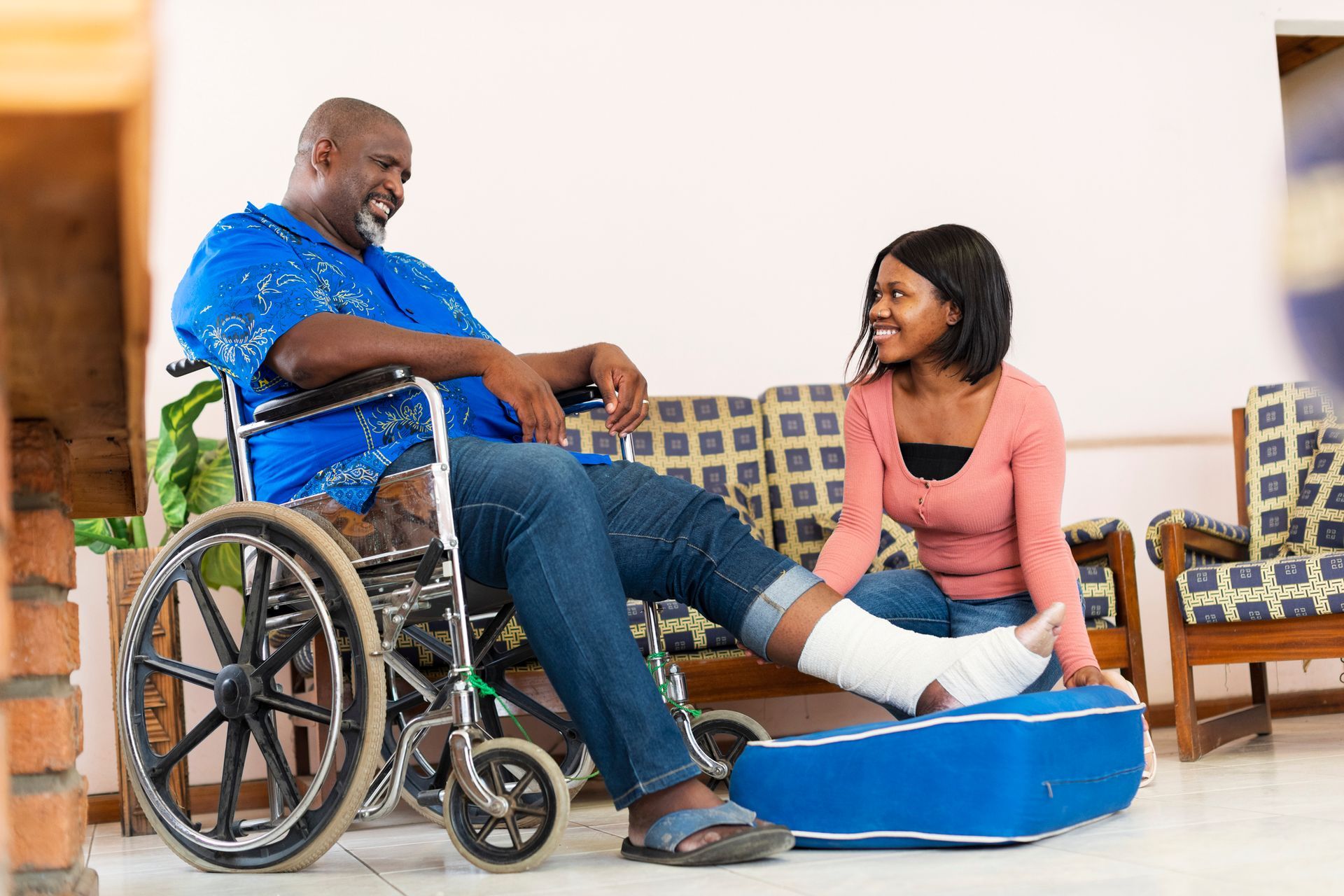
Recovering from surgery is often a physically demanding experience that brings unexpected emotional and mental challenges. Patients frequently face anxiety about their healing progress, loneliness during long days of rest, and a deep desire for comfort that goes beyond medical tasks. This isolation can slow down the recovery process and make the journey feel overwhelming for both the patient and their family. Luckily, there is a compassionate solution that addresses the whole person rather than just physical symptoms.
These are 5 ways integrating christian values enhances home post-op care:
1. The Connection Between Peace and Physical Healing
The recovery period following a surgical procedure involves much more than just resting the body. Medical research increasingly supports the idea that emotional and spiritual well-being plays a critical role in physical recuperation. When a patient feels anxious or spiritually disconnected, their body produces higher levels of cortisol, which is a stress hormone that can impede the healing process.
Conversely, environments filled with prayer, scripture reading, and positive spiritual companionship help lower these stress levels. This reduction in stress allows the body to focus its energy on repairing tissues and fighting off potential infections. Therefore, integrating faith into the daily routine is not merely a comforting addition but a strategic component of effective health management. Families utilizing home post-op care often find that this holistic attention to the spirit significantly improves physical outcomes.
2. How Christian Sitters Differ From Standard Caregivers
Many families wonder what sets a specialized caregiver apart from a standard medical assistant. While traditional caregivers excel at task-based duties like medication reminders and mobility assistance, they often lack the training or mandate to provide spiritual nourishment. A Christian sitter offers a unique blend of professional care and faith-based companionship. These professionals are trained to listen with empathy, share encouraging words from the Bible, and pray with patients who desire such support.
This holistic approach ensures that the patient feels seen and valued as a soul, not just a case file. By focusing on values-based encouragement, the caregiver helps maintain a hopeful outlook, which is essential for maintaining morale during difficult rehabilitation phases. This distinction is vital for those seeking a deeper level of connection during their recovery journey.
3. Reducing Hospital Readmissions Through Emotional Support
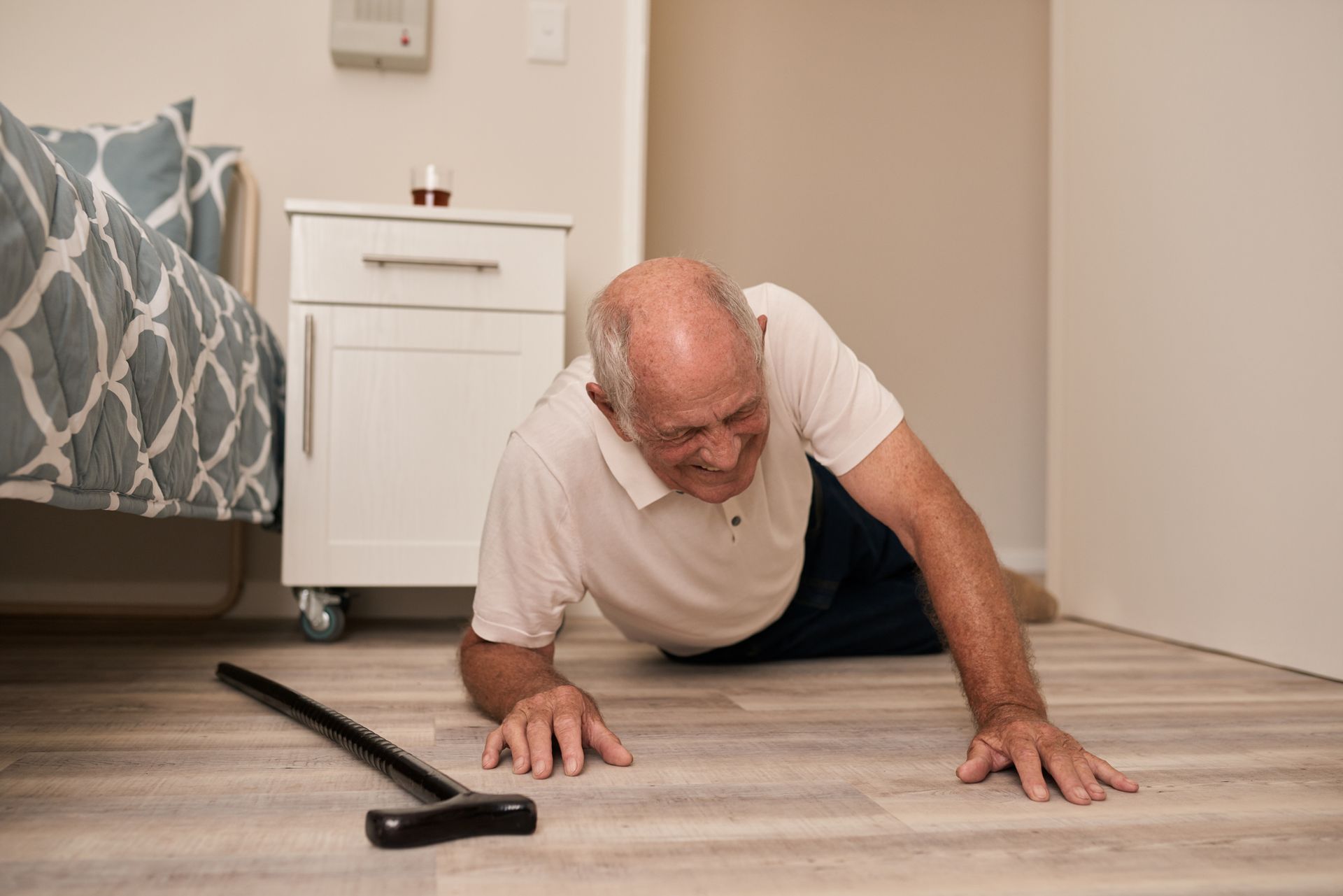
One of the most significant concerns for families managing recovery at home is the risk of hospital readmission. Studies have shown that patients who receive consistent emotional and spiritual support are less likely to experience complications that lead to returning to the hospital. When a patient feels emotionally stable and supported, they are more likely to adhere to their medical instructions, eat properly, and engage in necessary light exercises.
The presence of a compassionate companion who reinforces positive behaviors and provides constant encouragement creates a safety net that catches issues before they become emergencies. This proactive form of care directly contributes to better long-term outcomes. For residents seeking reliable home post-op care, understanding this link between emotional stability and physical health is key to a successful recovery.
4. Creating a Sanctuary of Faith in the Home
The home environment should serve as a sanctuary where healing can flourish without interruption. Integrating Christian values into this space transforms it from a mere recovery room into a place of spiritual renewal. Simple practices such as playing hymns, reading uplifting passages, or engaging in quiet prayer can shift the atmosphere from one of sickness to one of hope. These activities help the patient focus on their strength and resilience rather than their limitations.
Furthermore, having a caregiver who respects and actively participates in these traditions ensures that the patient’s spiritual needs are met with dignity and understanding. This alignment of values between the caregiver and the patient fosters a deep sense of trust and comfort. Such an environment supports the specific needs of those looking for post-operative support that honors their religious beliefs.
5. The Importance of Companionship in Recovery
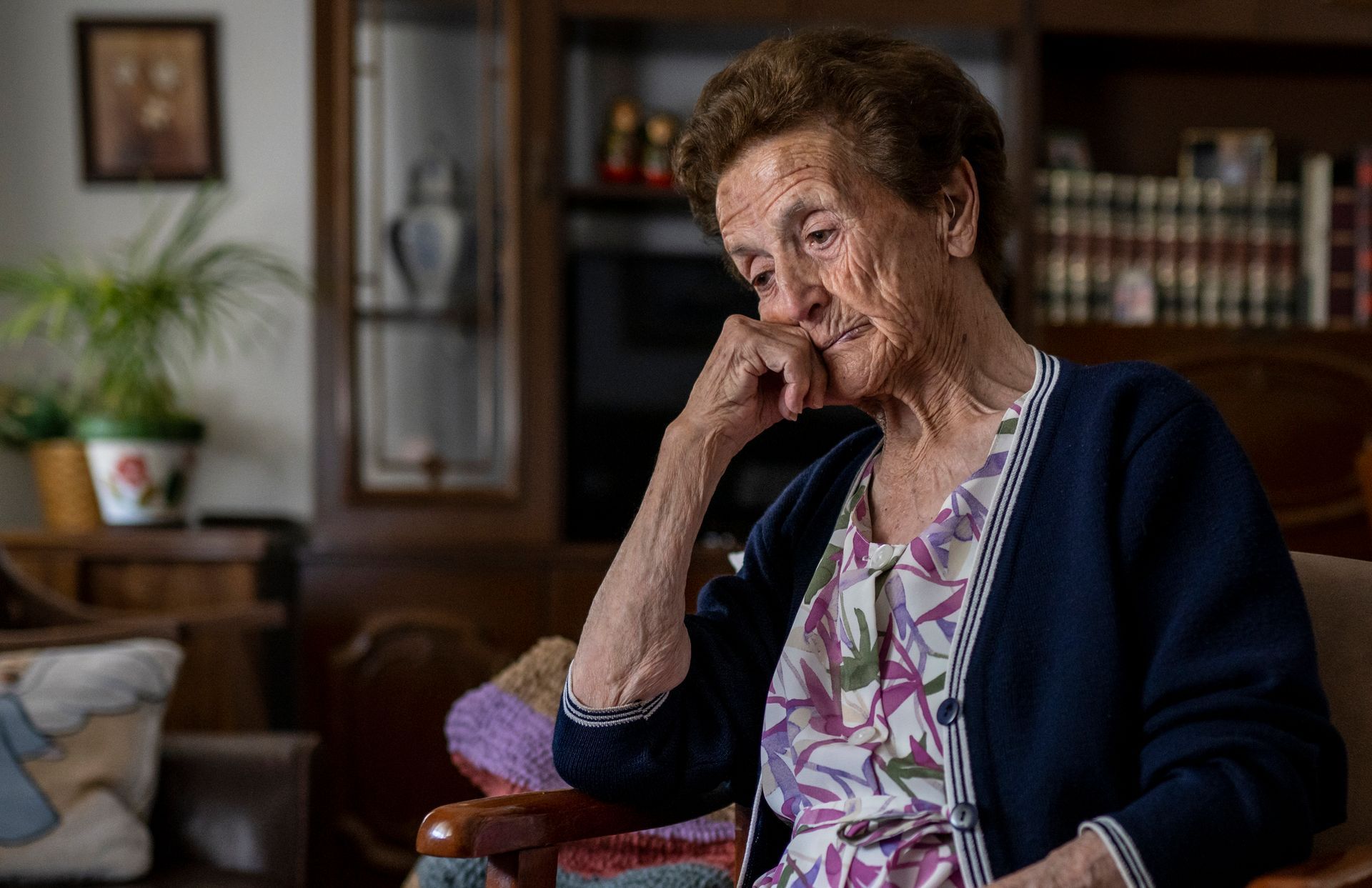
Loneliness is a silent adversary during the post-operative phase. It can lead to depression and a lack of motivation to follow through with recovery protocols. A dedicated sitter provides consistent companionship that alleviates feelings of isolation. This presence is particularly vital for individuals who live alone or whose family members work during the day. The sitter becomes a friend and a spiritual guide, offering conversation that uplifts the spirit.
By addressing the mental and emotional aspects of recovery, the caregiver ensures that the patient remains engaged and optimistic. This continuous support system is invaluable for maintaining the momentum needed for a full recovery. Families who prioritize this type of home post-op care ensure their loved ones never have to face the challenges of healing in solitude.
Choose Christian Sitters for Faith-Based Recovery Support!
Navigating the complexities of recovery requires a team that understands the importance of faith in the healing process. Families do not have to face this challenging time alone or rely solely on clinical interactions. There is a path forward that combines medical diligence with spiritual warmth, ensuring that every need is met with compassion.
If you are looking for a partner who will walk this journey with your family, reach out to Christian Sitters by calling (601) 982-2277! Our dedicated team is ready to provide the home post-op care in Byram, MS, that honors your faith and supports your complete wellness. Let us help you create an environment where both body and soul can heal together.